Lindsay Clancy trial puts spotlight on lesser-known postpartum psychosis
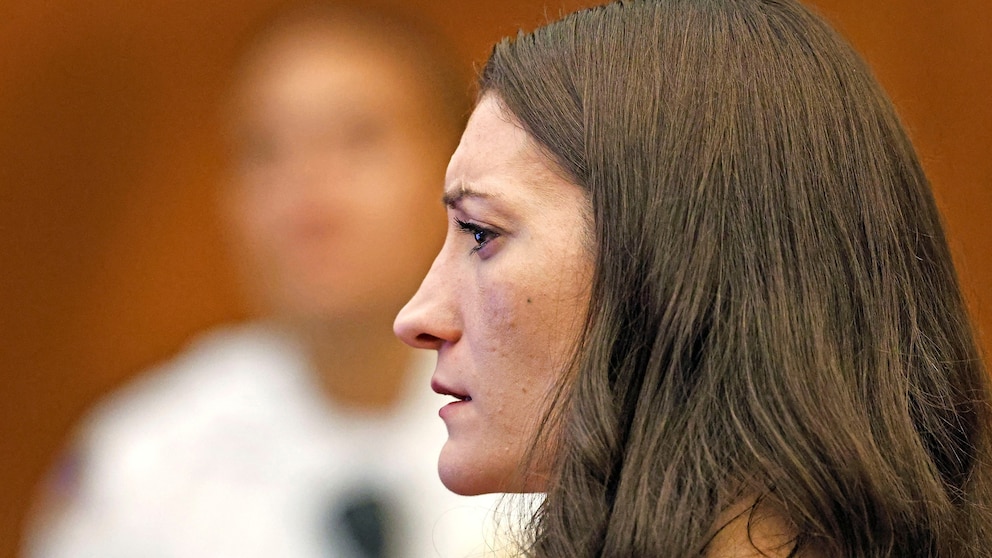
The trial of a Massachusetts woman accused of strangling her three young children to death is putting a spotlight on a lesser known mental health condition known as postpartum psychosis.
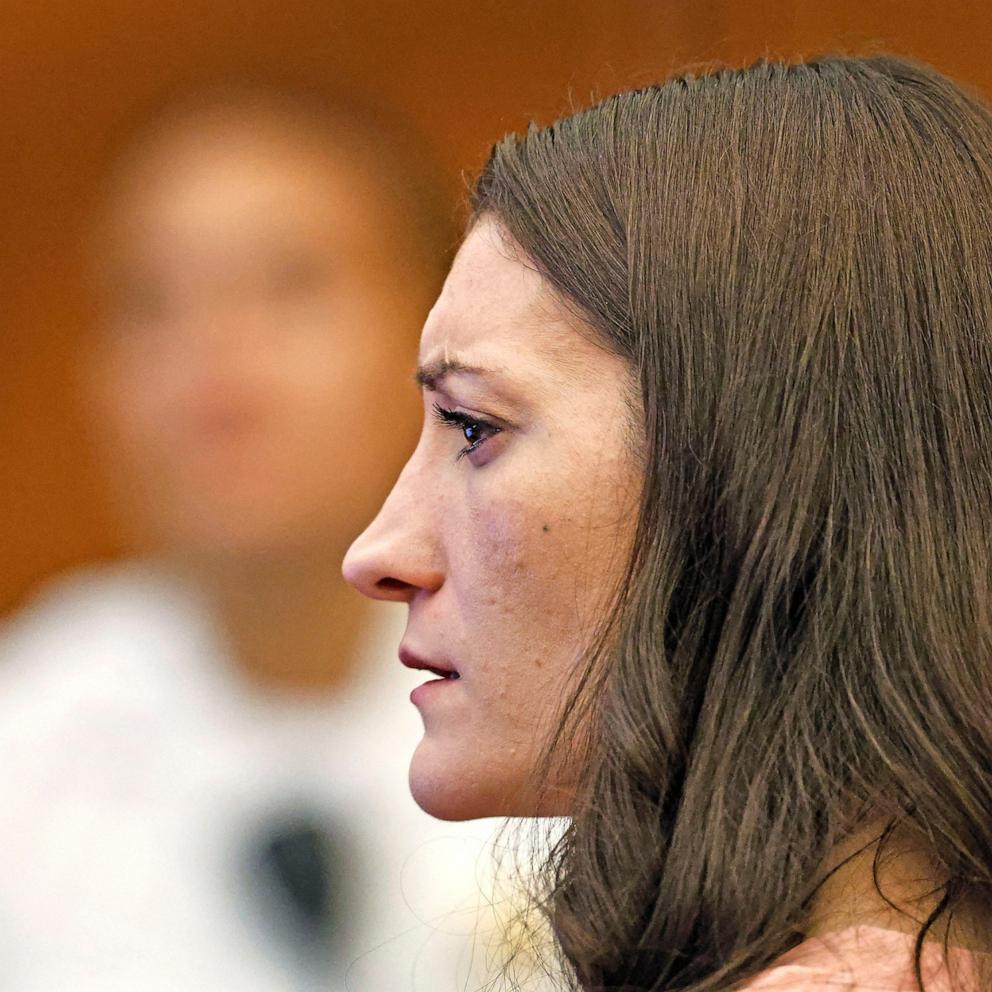
Lindsay Clancy has pleaded not guilty to three murder charges in connection with the deaths of her 5-year-old daughter Cora, 3-year-old son Dawson and infant son Callan at her family's home in Duxbury on Jan. 24, 2023.
According to prosecutors, the former nurse attempted suicide on the night of her children's deaths, leaving her paralyzed and in a wheelchair. She is currently being held at a state hospital.
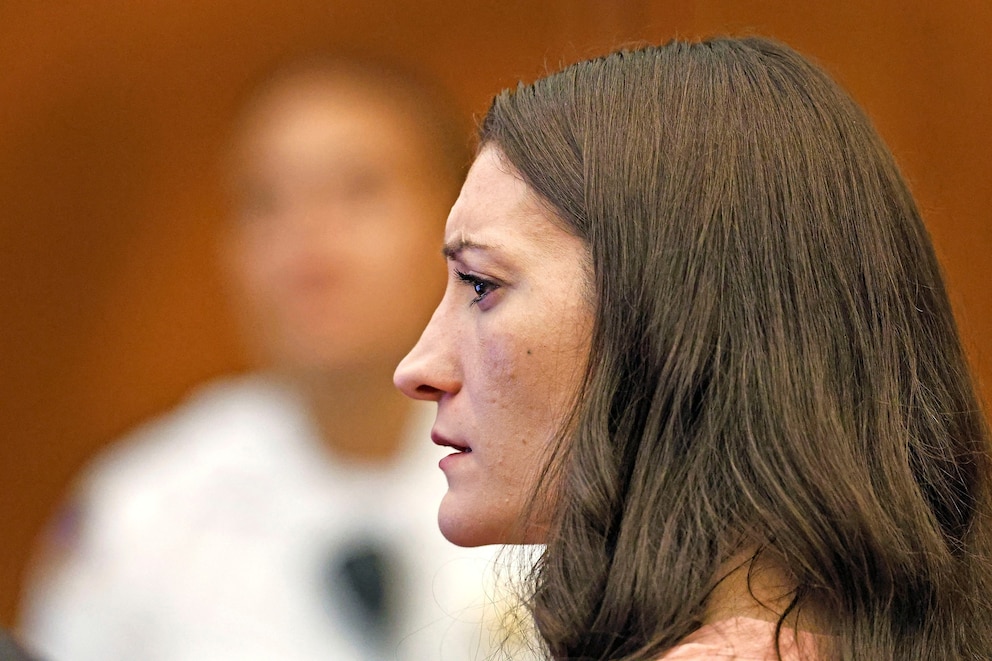
In opening statements Monday, Clancy's defense attorney said Clancy was suffering from "psychosis" at the time of her children's deaths, arguing that she "did not get the medication, did not get the medical treatment that she so deserved."
"Every one of these doctors and nurses knew that she was suffering from postpartum, and now it's turning into psychosis," attorney Kevin Reddington claimed in court.
Prosecutors in the case argue that Clancy is "criminally responsible" for the deaths of her children.
"People with mental illness commit crimes everyday and are responsible for them," Plymouth County assistant district attorney Shanan Buckingham said in opening statements. "The fact that someone may suffer or have a mental illness, a mental disease or defect is not the end of the inquiry when it comes to guilt or innocence."
The trial, scheduled to resume Wednesday, has drawn attention to the distinction between postpartum psychosis and the more common postpartum depression.
Postpartum depression -- a depression that occurs after having a baby -- affects as many as 1 in 8 women who give birth, according to the U.S. Centers for Disease Control and Prevention.
Symptoms of postpartum depression include withdrawing from loved ones, crying more than usual, feeling worried or overly anxious, feeling anger, doubting your ability to take care of your baby and thinking about harming yourself or your baby, according to the CDC. The symptoms may last for weeks or months after giving birth, and are more intense and longer lasting than the "baby blues" that women may experience after giving birth.
Postpartum psychosis is far less common than postpartum depression. It affects roughly 1 to 2 mothers per 1,000 childbirths, according to a 2017 systematic review in the journal BMC Psychiatry.
Symptoms of postpartum psychosis can include delusions or hallucinations that can prompt suicidal or homicidal action, according to the American College of Obstetricians and Gynecologists.
Postpartum psychosis is considered a psychiatric emergency, according to ACOG. It is a major safety risk for both mother and child, and it requires hospitalization to ensure safety. Treatment includes medications such as mood stabilizers and antipsychotics.
Treatment options for postpartum depression and psychosis will differ based on severity and type of symptoms and may include medication options, psychotherapy and/or support groups.
In 2019, a drug called Zulresso was approved by the U.S. Food and Drug Administration as the first-ever medication made specifically for women suffering from postpartum depression.
If you or someone you know is struggling with thoughts of suicide, call or text 988 or chat 988lifeline.org. Free, confidential help is available 24 hours a day, 7 days a week. You are not on your own.