Doctor breaks down study showing GLP-1s may lower breast cancer risk

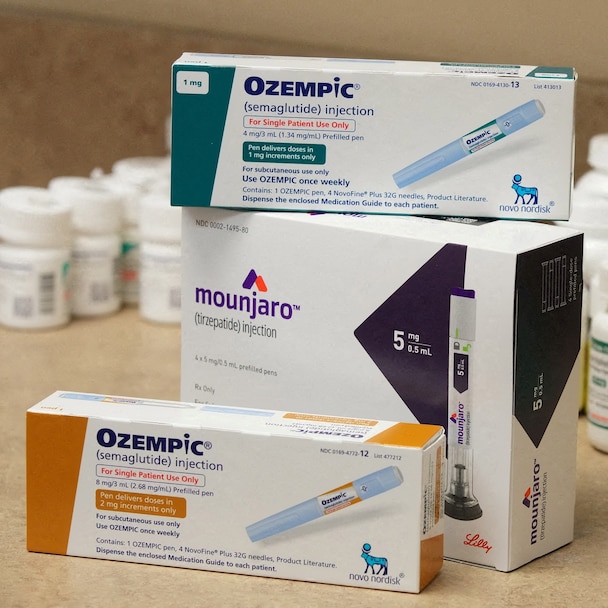
ABC News chief medical correspondent Dr. Tara Narula joined "Good Morning America" on Wednesday to discuss a new study that suggests GLP-1 medications may be linked to a reduced risk of developing breast cancer.
The study, which was published in the JCO Oncology Practice journal, looked at University of Pennsylvania Health System records from more than 111,000 women ages 45 to 80 over the last several years who were overweight or obese, to see who went on to develop breast cancer.
"They found that those women on GLP[-1]s had a reduced risk of developing breast cancer by about 30%," Narula explained Wednesday.
Narula discussed the potential links between GLP-1s and breast cancer, explaining that after menopause, fat cells produce estrogen throughout the body, and higher levels of estrogen could translate to a higher risk of breast cancer.
Narula also cited overweight or obesity as a "pro-inflammatory state," which can be associated with elevated cancer risks.
Obesity is associated with elevated insulin, which is known to drive some cancers, Narula said.
"When you think about what [GLP-1 medications] do -- reduce weight, reduce inflammation and help with insulin sensitivity -- it makes sense that that could potentially have an effect on the risk of breast cancer," she said.

She also noted some evidence suggesting GLP-1s could have a direct effect on reducing tumor growth and slowing metastatic progression.
Elizabeth McDonald, M.D., Ph.D. the study's lead author and a professor of radiology in the University of Pennsylvania Perelman School of Medicine, said in a statement that the findings were "observational" and do not "definitively confirm an association between GLP-1 medications and reduced breast cancer incidence," however the study "does add to the growing body of evidence suggesting that it's worth investigating these weight-loss drugs as potential cancer prevention tools."


Narula reiterated that the new study is "hypothesis-generating" not "practice-changing," though the study does add to a growing body of similar research.
Breast cancer is the second-most common cancer among women in the U.S. behind skin cancer, according to the Centers for Disease Control and Prevention, accounting for 1 in 3 new female cancer diagnoses every year.
Breast cancer is also the second leading cause of cancer deaths among women, behind lung cancer, according to the American Cancer Society, although death rates have been decreasing over the last three decades. According to the nonprofit organization, this is believed to be due to earlier screenings, better treatments and increased awareness.
Currently, the U.S. Preventive Services Task Force recommends women between ages 40 and 74 who are at average risk for breast cancer get a mammogram every two years.
Women who are at higher risk with a family history of breast cancer or other risk factors should discuss timing of screening with their health care provider.