• Video
  • Shop
  • Culture
  • Family
  • Wellness
  • Food
  • Living
  • Style
  • Travel
  • News
  • Book Club
  • Newsletter
  • Privacy Policy
  • Your US State Privacy Rights
  • Children's Online Privacy Policy
  • Interest-Based Ads
  • Terms of Use
  • Your Privacy Choices
  • Contact Us
  • Recalls and Product Safety Alerts
  • © 2026 ABC News
  • News

Next week's partial lunar eclipse caps off a busy month of celestial splendor

0:15
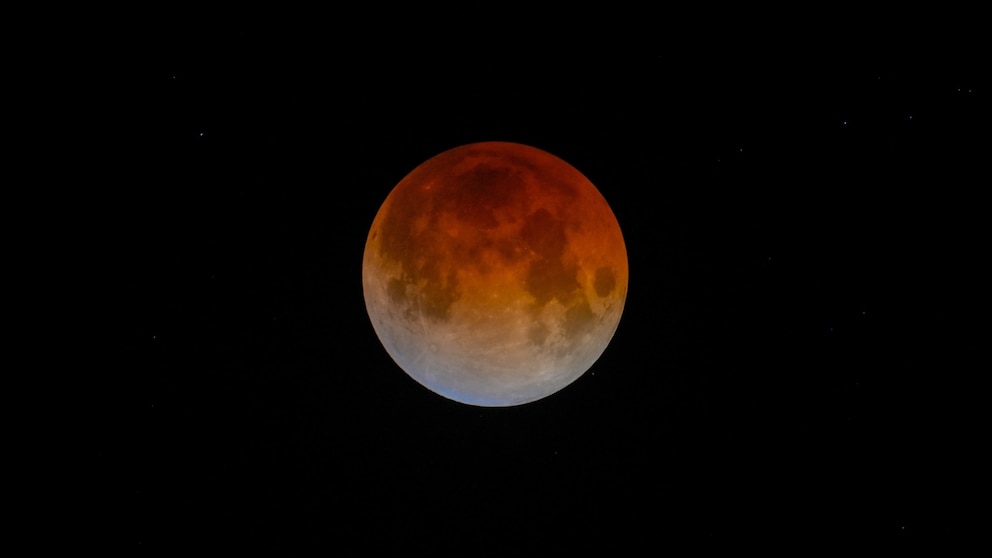
March moon's rare total lunar eclipse seen across America
Tayfun Coskun/Anadolu via Getty Images
ByMatthew Glasser
August 22, 2026, 9:03 AM

If a "planet parade," a solar eclipse and a meteor shower weren't enough, August has one more celestial treat in store for us -- a partial lunar eclipse beginning late Thursday, Aug. 27, and continuing into the early morning on Friday, Aug. 28. 

Often called a "blood moon" because of its reddish-copper hue, a lunar eclipse occurs when the Earth moves between the Sun and the moon, blocking sunlight from reaching the lunar surface and casting a shadow on our closest celestial neighbor. 
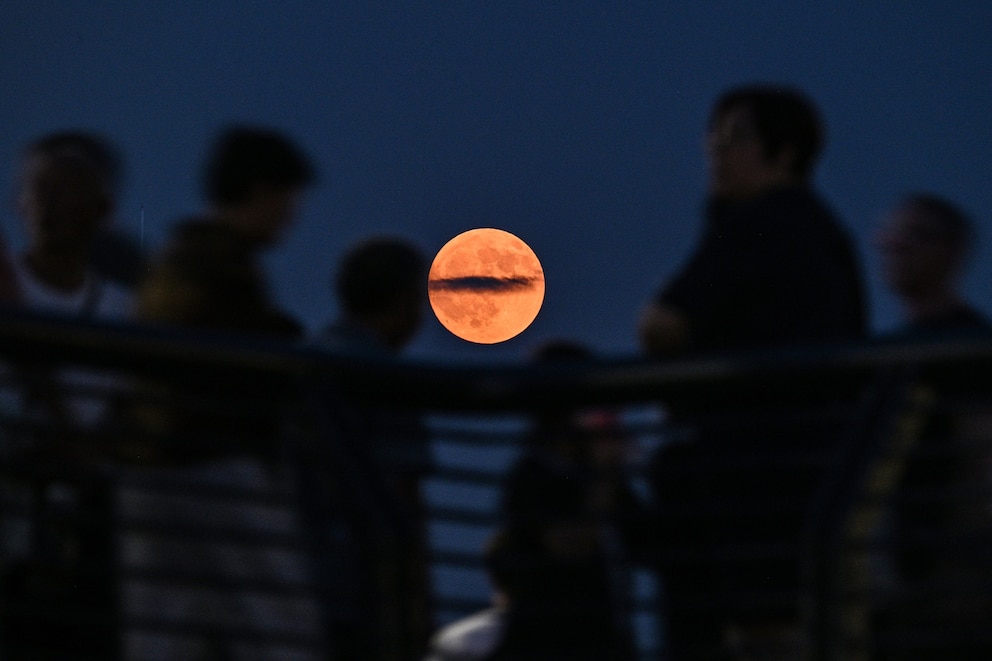
People are seen on the Bund promenade along the Huangpu river as a full moon rises in the night sky in Shanghai on September 7, 2025, hours ahead of a total lunar eclipse known as the "Blood Moon."
Hector Retamal/AFP via Getty Images

While this won't be a total lunar eclipse, a significant portion of the moon will be covered. The best views will be in the eastern portion of the United States and Canada and all of Central and South America. Those in the West will still be able to see some of the eclipse, just not as much.

On its website, NASA says the rusty coloring "is because our planet blocks most of the Sun's light from reaching the Moon, and the light that does reach the lunar surface is filtered through a thick slice of Earth's atmosphere. It's as if all of the world's sunrises and sunsets are projected onto the Moon."

Related Articles

Blood moon: See breathtaking pics from the September 2025 total lunar eclipse

The best time to begin watching is around 10:33 p.m. ET on Thursday, with the greatest coverage occurring around 12:12 a.m. ET on Friday. It will all be over by 3:03 a.m. ET.

You won't need special glasses to experience this eclipse. Unlike its solar sibling, lunar eclipses are completely safe to experience with the naked eye. If you have binoculars or a telescope, you'll get an even better view.

Keep in mind that, like all celestial events, cloud cover or bad weather can impact how much you can see.

Up Next in News—

Psychiatrist calls Clancy's mental state into question in testimony after defense rests

August 21, 2026

Lindsay Clancy said she was 'so glad' kids were 'safe' after killing them, chaplain testifies

August 20, 2026

Lindsay Clancy jury sent home for the day due to 'unforeseen circumstance'

August 19, 2026

'She was begging for help': Lindsay Clancy's former mother-in-law testifies

August 18, 2026

Shop GMA Favorites

ABC will receive a commission for purchases made through these links.

Sponsored Content by Taboola

The latest lifestyle and entertainment news and inspiration for how to live your best life - all from Good Morning America.
  • Contests
  • Terms of Use
  • Privacy Policy
  • Your Privacy Choices
  • Children’s Online Privacy Policy
  • Advertise with us
  • Your US State Privacy Rights
  • Interest-Based Ads
  • About Nielsen Measurement
  • Press
  • Feedback
  • Shop FAQs
  • ABC News
  • ABC
  • All Videos
  • All Topics
  • Sitemap
  • Recalls and Product Safety Alerts

© 2026 ABC News
  • Privacy Policy— 
  • Your US State Privacy Rights— 
  • Children's Online Privacy Policy— 
  • Interest-Based Ads— 
  • Terms of Use— 
  • Your Privacy Choices— 
  • Contact Us— 
  • Recalls and Product Safety Alerts— 

© 2026 ABC News