Orcas filmed pulverizing sunfish in what could be either feeding strategy or fun, scientists say
Orcas are called killer whales for a reason. These apex predators are fearsome hunters who employ diverse strategies and work collaboratively when tracking down a meal. But could these large marine mammals also play with their prey just for fun?
A new study published in the journal Frontiers in Ethology investigates two instances of orcas engaging in what the researchers call "ram-to-fragment” behavior and the motivation behind it.
In 2024, a tourist operator came across a group of orcas, including a juvenile, off the coast from San Jose del Cabo, Baja California Sur, Mexico, in the Gulf of California. During the encounter, Kathryn Ayres, a research scientist at Beneath The Waves and the lead author of the study, captured a “ram-to-fragment" moment on camera.
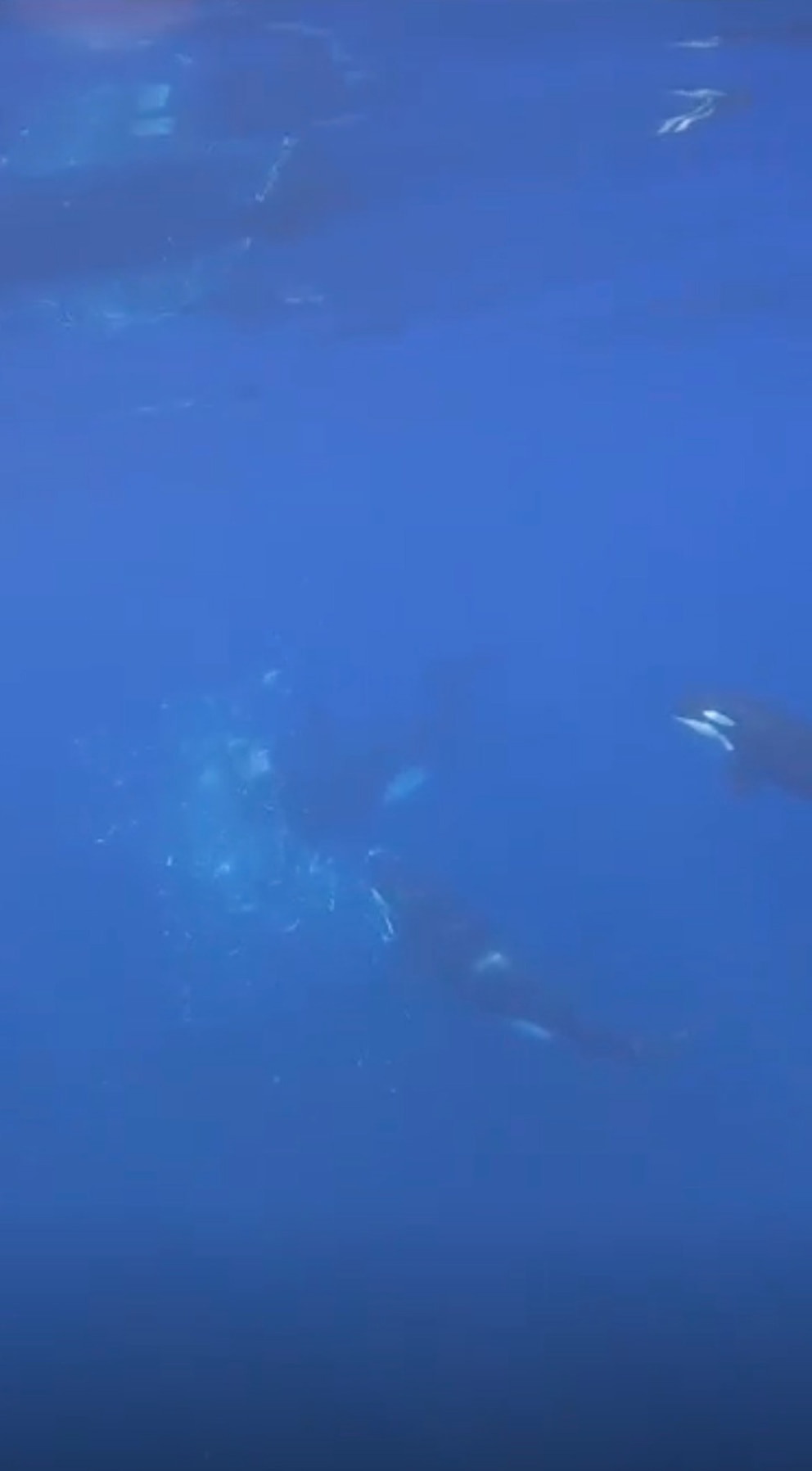
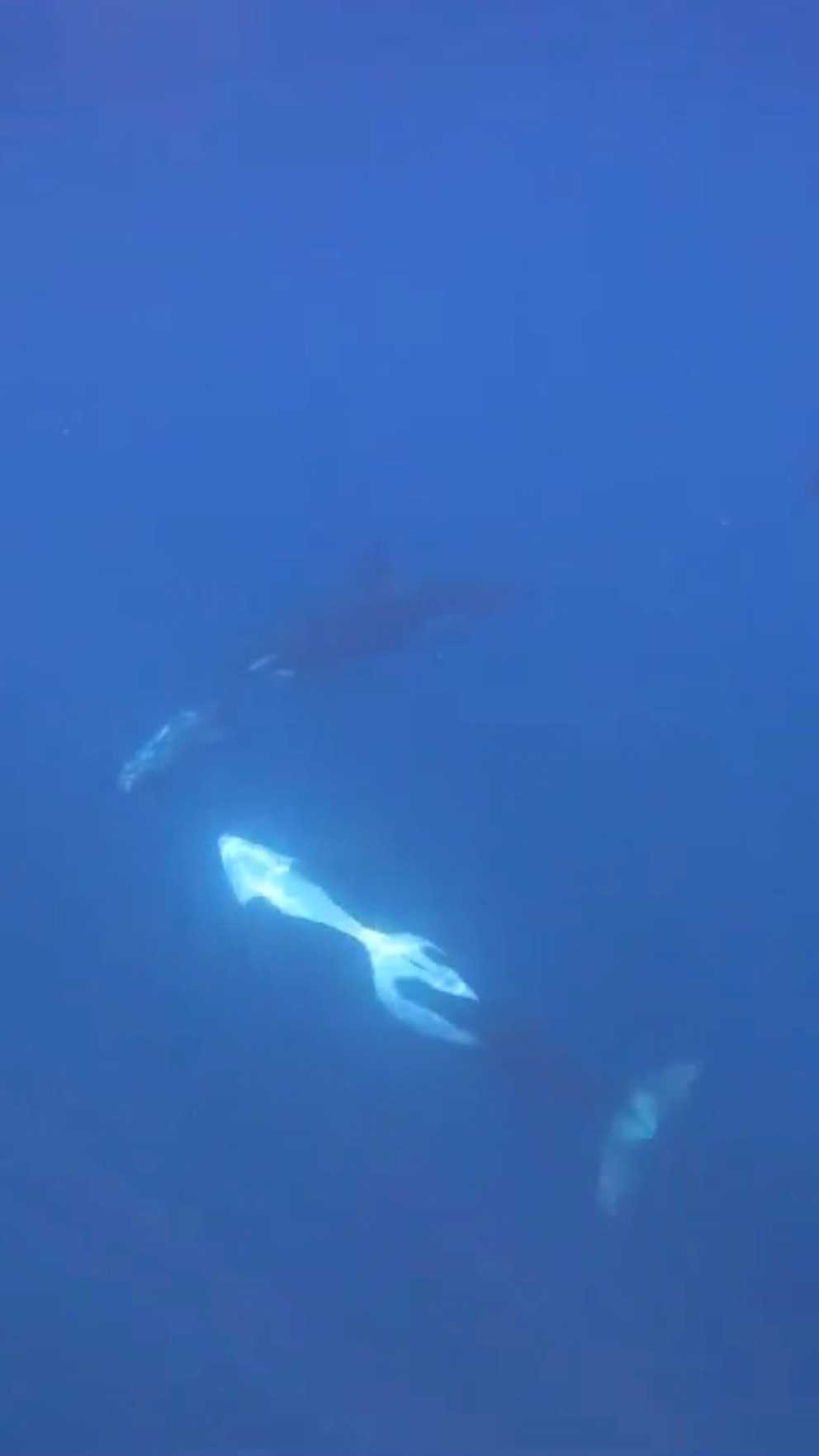
In the underwater video, an adult female orca is seen holding onto a dead sharp-tail sunfish that the group had previously killed. Sunfish are one of the ocean's heaviest species and can reach up to 4,400 pounds. Just as the whale lets go of the fish, an adult male orca hits it at a high rate of speed, creating a loud sound and pulverizing the fish in an instant, causing it to break into thousands of smaller pieces.
"I remember thinking, 'I didn't know sunfish could come apart like that.’ I'd seen orcas hunt sunfish before, but I'd never witnessed one using such an incredibly forceful ramming technique that the tissue fragmented throughout the water column. It was like an explosion," Ayres told ABC News.
After the impact, a juvenile orca is seen eating some of the smaller pieces of the fish, while the adults eat from the remaining carcass. According to the study, a similar “ram-to-fragment” behavior was recorded in 2025, raising questions about how often the orcas engage in this kind of activity and its purpose.
Ayres says the orcas’ actions in the two events could have practical benefits, potentially making it easier for younger orcas to feed, or it might simply be a form of play, since orcas are well known for toying with their food. She says it also could be a combination of both.
"Orcas are well known for engaging in play with prey, so that's certainly one possible explanation. But another possibility is that breaking the carcass into smaller pieces made it easier for the juvenile to feed, almost like an adult cutting food into bite-sized pieces for a child. Those ideas aren't mutually exclusive. It could be both functional and socially rewarding," said Ayres.
The researchers were unable to determine if both incidents involved the same orcas. And they noted that increased tourism and more cameras in and near the water have "expanded opportunities for behavioral observation.” They also warned that this additional footage could introduce bias, because it's hard to know whether a rise in “ram-to-fragment” sightings is because more of these events are taking place or just "more eyes on the water."
"One of the biggest questions is how widespread this behavior is. Is it unique to certain pods, or do other populations do it too? We'd also like to know whether it occurs only with sharp-tail sunfish or whether orcas use this strategy on other prey," Ayres said.
Ayres said that while she was already aware of the power of orcas, seeing it firsthand was "eye-opening" and that despite being among the most studied marine mammals, she says they "continue to surprise us."
"It reinforces just how adaptable and sophisticated orcas are. Rather than simply killing prey, they appear to have developed a coordinated prey-processing strategy. One individual stabilized the sunfish while another delivered the high-speed impact, which suggests remarkable cooperation and precision. It also reminds us that we're still discovering new hunting and food-processing behaviors in these animals," said Ayres.