How to protect yourself from poor air quality as wildfires burn in Canada
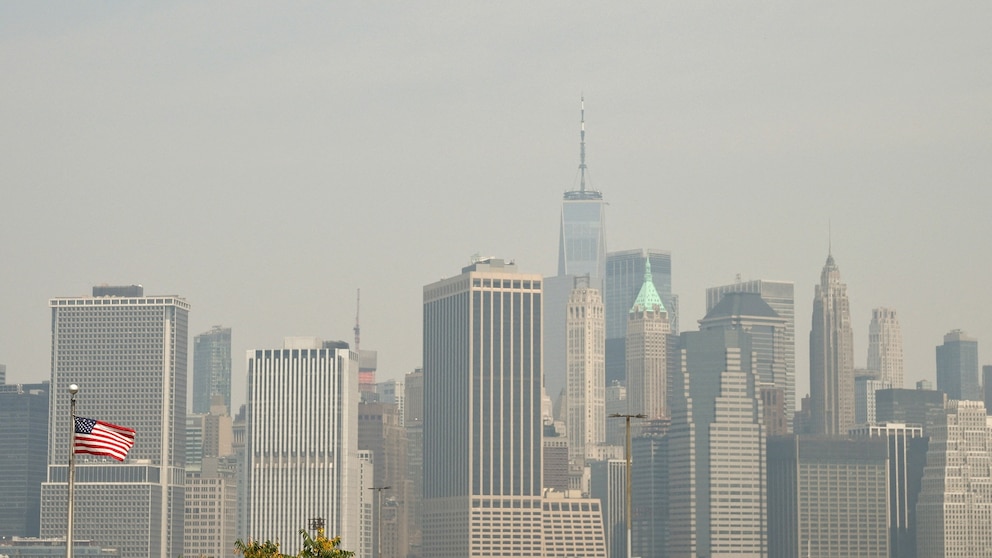
As wildfires continue to burn in Canada, poor air quality is becoming a major concern for those living across the upper Midwest and Northeast, as wind directs the smoke into the U.S.
More than 830 wildfires were burning in Canada on Wednesday, along with more than a dozen in northern Minnesota, forcing mandatory evacuations. Some of the largest wildfires are located in west-central Ontario, where they have burned through dense forests, releasing massive amounts of smoke.
The wildfire smoke is also coinciding with a coast-to-coast extreme heat spell in the United States, with many places seeing temperatures in the high 90s and low 100s.
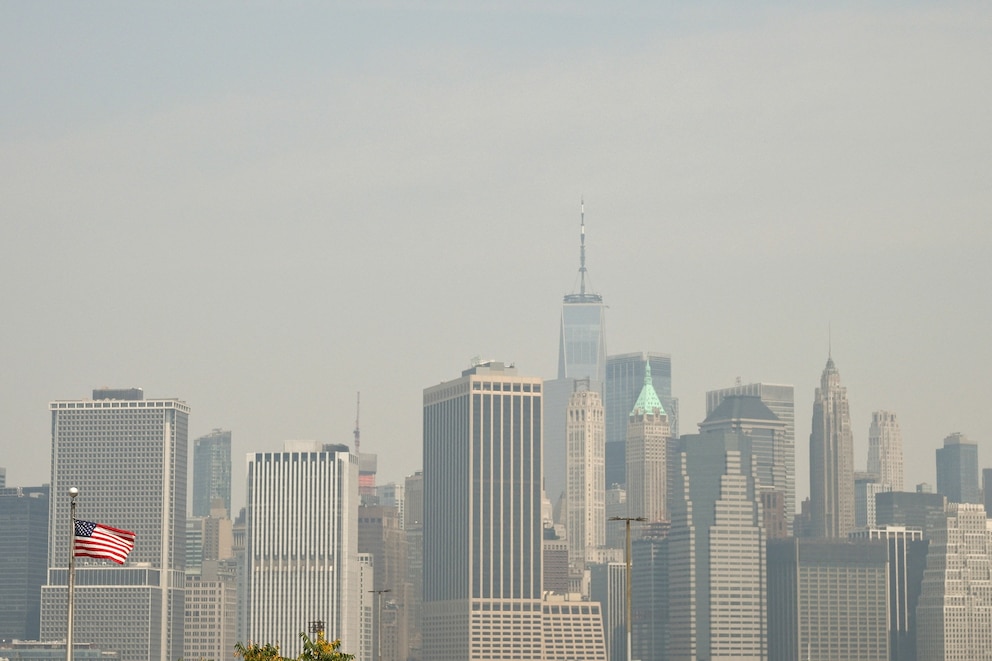
Wildfire smoke can negatively impact your health depending on proximity to the fire and the air quality index. Those with underlying conditions like asthma, COPD, heart disease, diabetes, chronic kidney disease or who are pregnant need to be extra cautious about breathing in wildfire smoke.
As the smoke spreads, here is how you can stay safe from dangerous air quality.
Stay indoors
According to the Centers for Disease Control and Prevention, the best way to protect yourself from poor air quality is to stay indoors or limit your time outdoors.
Activities like smoking and vaping; using gas, propane, or wood-burning stoves and furnaces; burning candles or incense, and even vacuuming should be avoided, as they can create more fine particles in the air.
If you do need to go outside, Dr. Afif El-Hasan, a California-based pediatrician and member of the American Lung Association's board of directors, advises covering your face in some way, whether with an N95 mask for top protection or a surgical mask or even a handkerchief for lesser protection.
“Putting a handkerchief or something around your face is not perfect, but it's certainly a lot better than trying to breathe the air directly," El-Hasan told ABC News. "So anything people can do, realistically, would be great.”
What to do inside the home
The CDC suggests choosing a room you can close off from outside air and setting up a portable air cleaner or a filter to keep the air in the room clean from the outdoors or other parts of the home.
When purchasing an air filter, El-Hasan said to choose one that is HEPA-rated and, ideally, one with a carbon filter attached, which helps reduce harmful chemicals.
The Environmental Protection Agency also notes that windows and doors should be closed, and if you have an HVAC system with a fresh air intake, set the system to recirculate mode or close the outdoor intake damper.
Click here to see other ways to reduce smoke that enters your home.
Monitor local outdoor air quality
According to the CDC, another way to protect yourself is by keeping track of the fires near you by listening to the Emergency Alert System and National Oceanic and Atmospheric Administration Weather Radio for emergency alerts.
You can also reference AirNow's Fire and Smoke Map, which has a map of fires throughout North America, and NOAA's fire weather outlook page, which maps fire watches and warnings.
Editor’s Picks

In addition to monitoring the outdoor air quality in your area, El-Hasan said it's important that people also recognize the smell of pollution in their area and pay attention to symptoms in their own body.
"The problem with air quality, is that the winds change," he said. "What was good an hour two hours ago may not be the case now. Air quality can even vary from street to street, depending on the air currents in those areas.”
Srishti Goel MD, MPH, a public health and general preventive medicine resident, is a member of the ABC News Medical Unit.