British prime minister announces social media ban for kids 16 and under
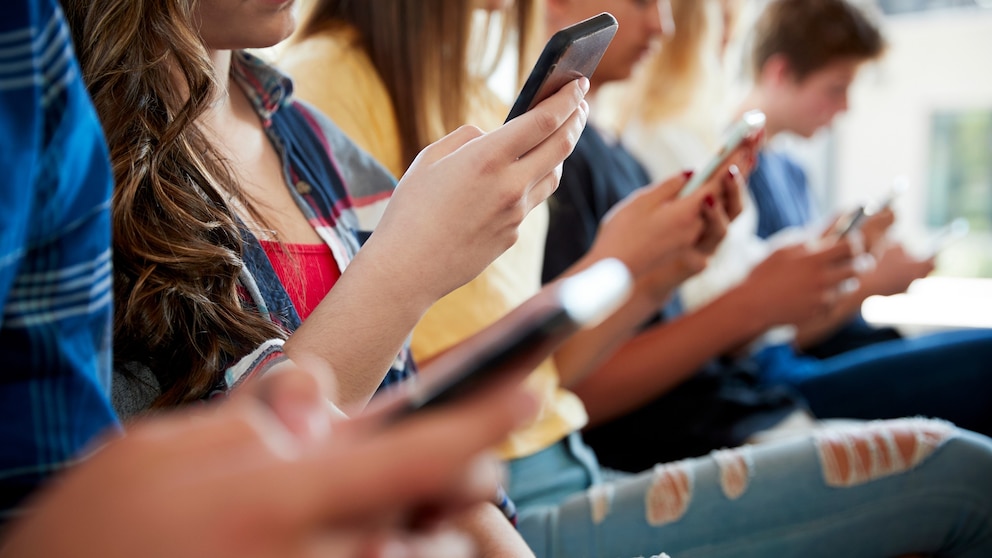
U.K. Prime Minister Sir Keir Starmer announced he would be introducing a social media ban for children 16 and under in Britain on Monday.
The ban would prohibit kids age 16 and under from using "platforms like Snapchat, TikTok, YouTube, Instagram, Facebook and X," the U.K. government said in a statement, but it is not expected to impact messaging apps like Signal and WhatsApp.
"We're going further than any country in the world by banning social media for under-16s and putting wider protections in place to give kids their childhood back," Starmer said in a press conference Monday, saying the social media ban will "give [kids] more time, more security, more freedom to grow up, more opportunity."
"This is a line in the sand. Tech giants had their chance and failed, but we're stepping in to protect children, back parents and set a new normal for future generations," he added.
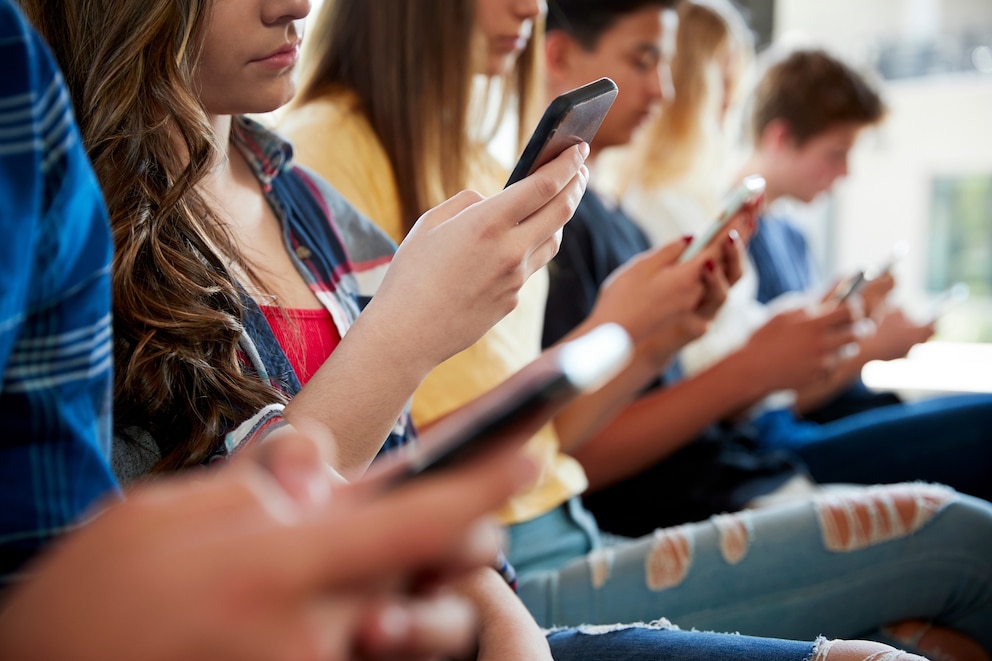
Social media platforms generally require users to be at least 13 years old to use their platforms and services, but those requirements may vary according to local laws.
Starmer said he hopes the legislation for the social media ban would be discussed in the U.K. parliament before Christmas and would be implemented in early 2027.
Britain is following a similar strategy as Australia, whose social media ban for kids went into effect in December 2025, but is adding more security measures, according to the government.
"The government will also go further than a blanket ban on social media with world-leading blocks on harmful functions such as livestreaming and stranger communication with children for under-16s," the government said in a statement.
Other countries have also proposed social media bans or announced similar age restrictions, including Canada, Brazil and Indonesia. Several additional countries, including France, Spain, Denmark, Thailand, and South Korea, are looking into or developing strategies to address kids' social media use, according to The Associated Press.
Social media companies have pushed back against proposals to ban social media for kids under 16, an important user base for the companies and their bottom line.
"We've invested in expert-led, age-appropriate experiences and default protections for teens for over a decade and will continue to do so," a YouTube spokesperson said in a statement, following the U.K. government's announcement on Monday. "YouTube is a vital resource for young people, educators and parents. Blanket bans push kids out of such curated, supervised, beneficial experiences and towards anonymous, less safe services."
Snapchat said it shared the British government's "objective of protecting people from online harm" but noted that "because the majority of time spent on Snapchat is in private messaging between friends and family, an outright ban that disconnects teens from those relationships doesn't make them safer -- it may simply push them to less safe platforms.
"We have long supported thoughtful and proportionate regulation, including the UK's groundbreaking Online Safety Act, and remain committed to working with [the U.K.'s Office of Communications] on implementation," a Snap Company spokesperson in a statement. "It is vital that the Government now carefully considers the scope of a ban, and how it will define and apply its exclusions."
Meta, which owns Facebook, Instagram and the messaging app Whatsapp, said the company also opposes a social media ban for children.
"We share the goal of keeping teens safe online, which is why we developed Teen Accounts to automatically limit who can contact them and the content they see," a Meta spokesperson said. "Like others, we don't think bans will achieve this goal."
The Meta spokesperson added that such bans "risk isolating teens from online communities and information, and driving them to unregulated alternatives that lack built-in protections and parental controls."
"To be both effective and easy for parents, any restrictions must be underpinned by an age verification system on devices so people aren't asked to hand over ID to dozens of individual services to prove their age," they said. "We will continue to engage with the government and Ofcom as they work to implement this policy."
When reached by ABC News, TikTok said in a statement, "We share the government's goal of safe online experiences for teens, which is why teen accounts on TikTok have more than 50 preset safety and privacy settings, such as private accounts, and we continue to invest in the latest technologies to advance platform safety. We will examine the details of the government's measures, and we look forward to collaborating constructively with the government on this important issue."
ABC News has reached out to X for comment.