Wild lemurs and opera singers share similar vocal technique
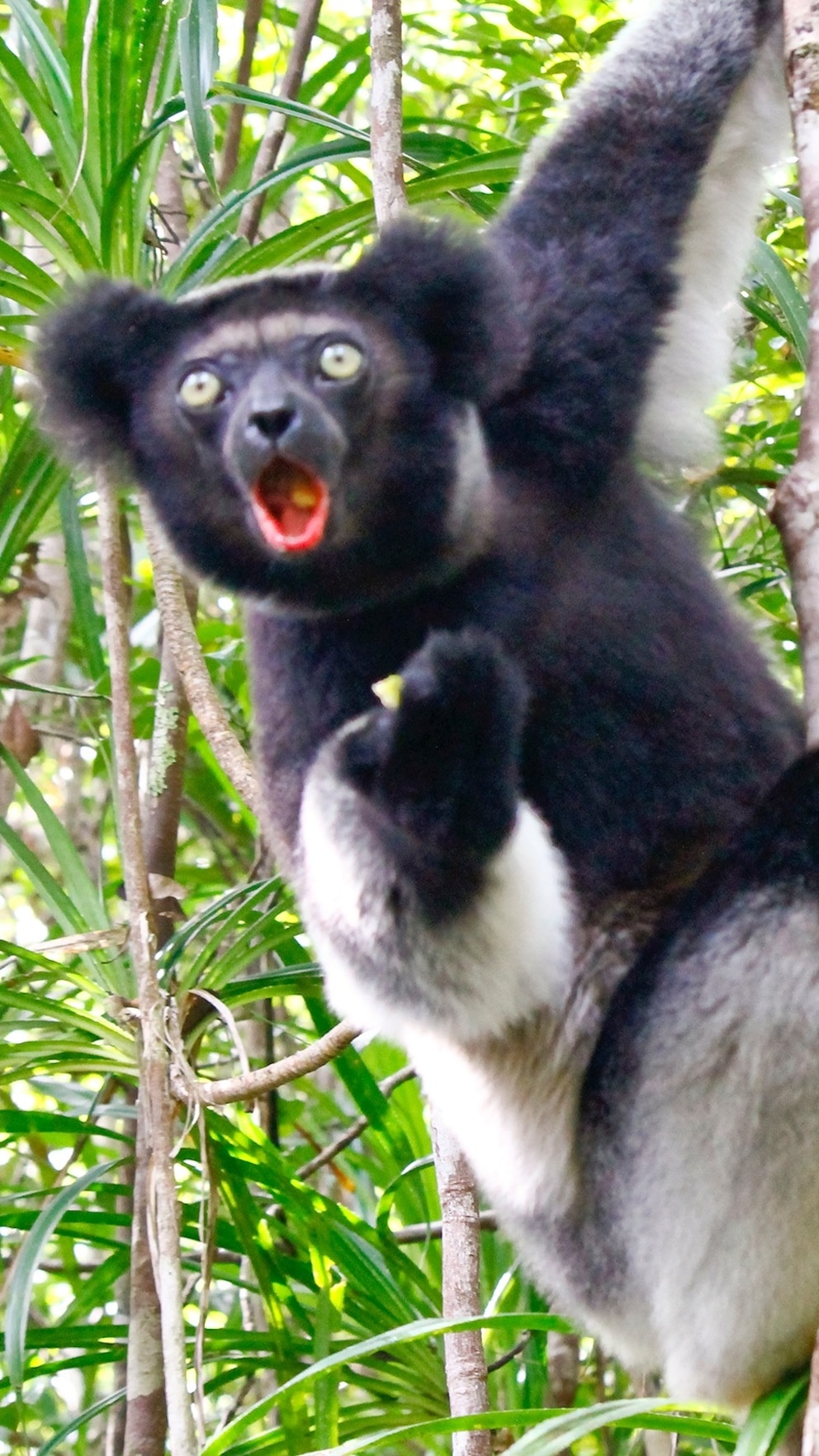
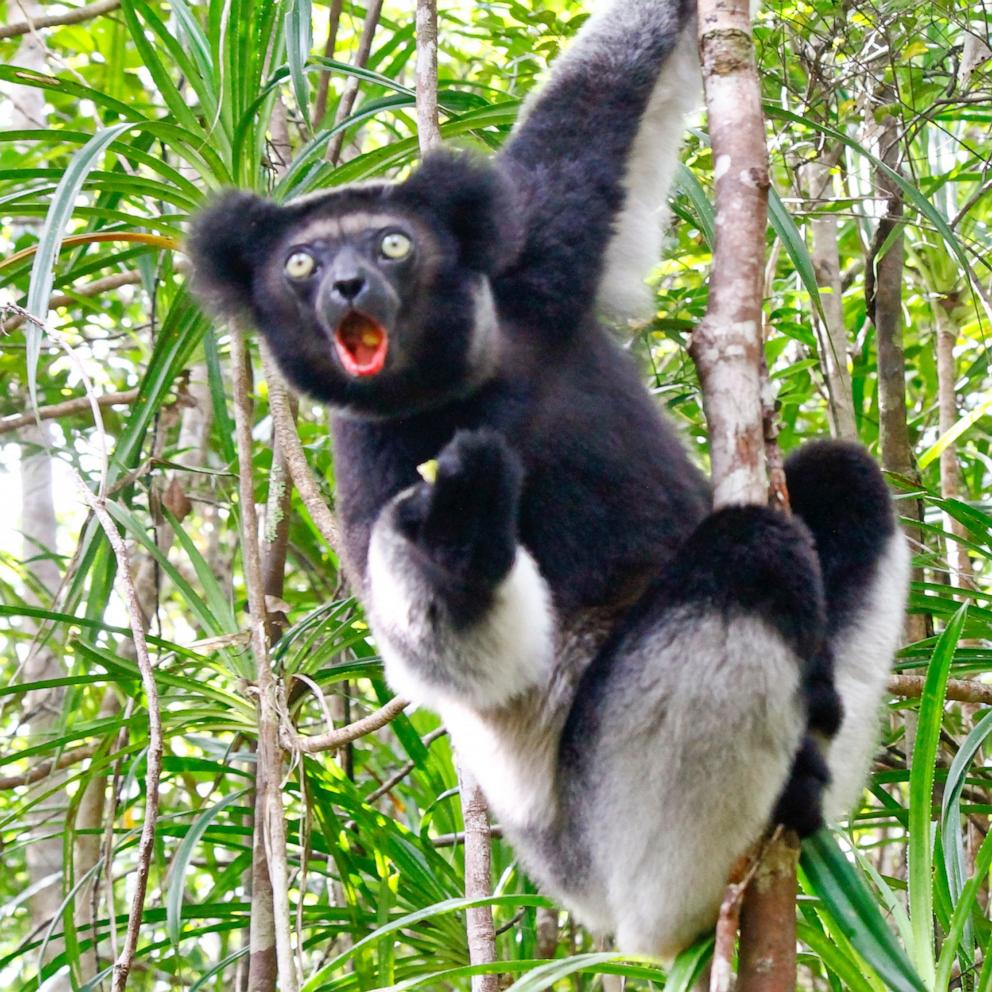
Indri lemurs may not be ready for Carnegie Hall, but they can hit some impressive notes.
In a new study published in the journal PLOS Computational Biology, researchers found that wild lemurs use a similar technique as opera singers when projecting high notes.
"The same phenomenon we hear in an opera house, when a trained singer opens their mouth wider to project a high note, appears to be happening in a lemur whose lineage split from ours something like 70 million years ago," said Filippo Carugati, a researcher at the University of Turin and the lead author of the study.
When a soprano wants to hit a high note, she adjusts the shape of her mouth and throat to boost certain frequencies, so her voice rings out most easily. It's a technique called formant tuning, where the singer modifies their vowels so the vibrations line up with the pitch instead of fighting it.
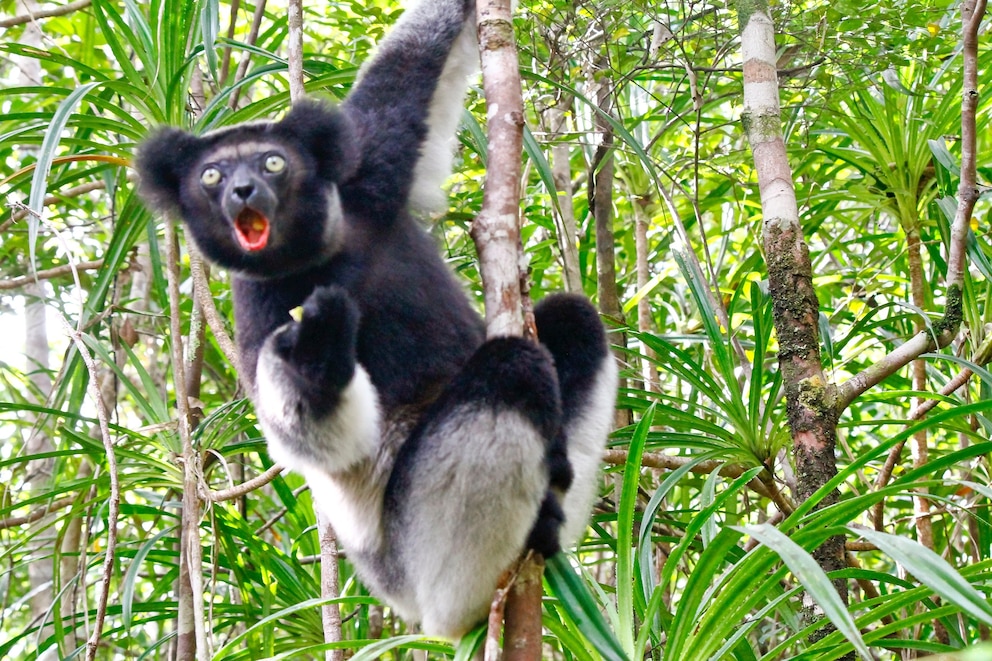
Wild indri lemurs, the only species of lemur known to sing, project sounds more like a deflating balloon than Bizet, but those vocalizations can travel through a thick forest.
The researchers say the vocalizations warn other lemur groups to keep their distance and strengthen the bonds within the existing social group.
"Indris rely on long-distance song to hold territory in dense rainforest, so anything that increases how far and how clearly that signal carries has a real, plausible benefit," Carugati said.


About 74 million years ago, humans and indris shared a common ancestor. Carugati said both species likely developed the same singing technique to make their songs louder and carry farther through convergent evolution.
"Convergent evolution is when unrelated species independently evolve a similar trait because they're facing the same kind of problem. In this case, the shared problem is how to send an acoustic signal over a long distance," Carugati said.
For the study, the researchers analyzed 83 video recordings of 19 wild indris. They found a consistent pattern in the animals' vocalizations, with no significant differences between male and female songs, suggesting the trait occurs across the species.
"This looks like a species-level feature rather than an idiosyncrasy of one or two animals," Carugati said.
As for whether the lemurs were putting on a deliberate performance like a singer, rather than just being excited or straining to sing louder, Carugati explained that "we can't prove the animals are doing this 'on purpose' in a deliberate sense, but what we can say is that the physical result is consistent with the same acoustic strategy used by trained singers."
The researchers used markerless motion-tracking technology -- meaning they didn't need to touch or interact with the lemurs -- and field audio to study the lemurs' upper and lower lip positions frame by frame. By comparing how the lemurs opened their mouths with changes in their vocal frequencies, the scientists found that animals opened their mouths wider when making higher-pitched sounds.
Carugati said the team hasn't found a genetic or mechanistic explanation for the convergence. He also noted that the data varied from subject to subject because they could only use video frames that showed the relevant facial landmarks. Still, he says the team believes the vocal technique is widespread among the indris.
"The point isn't that indris open their mouths more when making louder or more excited sounds in general, but it's that mouth opening tracks pitch specifically, note by note. That's what changes the shape of the vocal tract and brings the fundamental frequency into alignment with the tract's resonances, boosting intensity and how far the sound travels," Carugati said.