4 ways to combat climate change with a fork
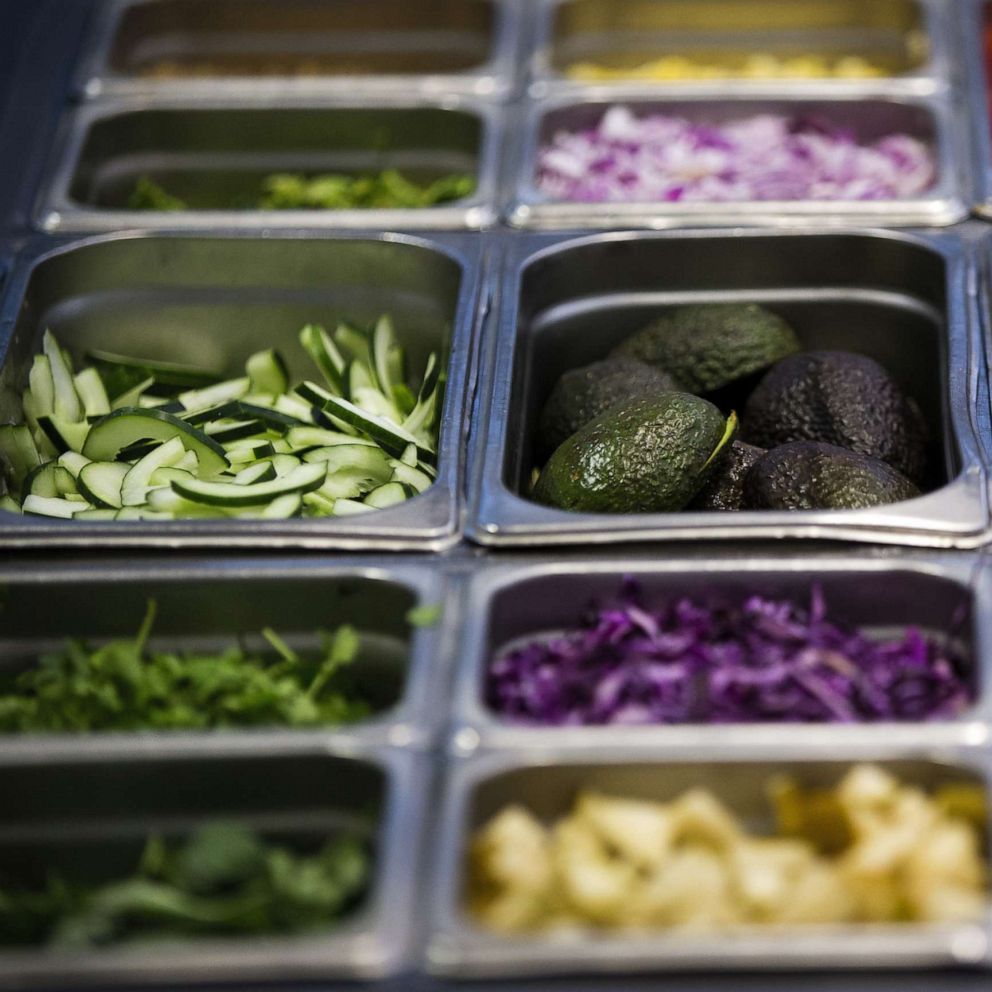
As leaders from nearly every country in the world converge upon Glasgow, Scotland, for COP26, the United Nations Climate Change Conference -- the climate crisis is at center stage, as well as the way food is eaten and produced.
Some estimates show that a quarter of all planet-warming greenhouse gases come from food production, according to a 2018 study in the journal Science. Global greenhouse gas emissions from animal-based foods are nearly twice those of plant-based foods, according to a 2021 study in the journal, Nature Food. Close to 60% of food emissions come from meat production alone, compared to 29% for plant-based foods, the study found.
While "meatless Monday" and meat substitutes like Impossible Burger and Beyond Meat are gaining popularity, our choices when we do eat meat need to be strategic, according to Sujatha Bergen, the health Ccampaigns director of the Natural Resources Defense Council, Inc.
"There are very easy ways to fight climate change with your fork," said Bergen, who shared with "Good Morning America" four tips that you can do to help the planet with your food choices.

1. Eliminate 1 burger a week from your diet
“If all Americans were to cut just a burger a week out of their diet, that would save as much emissions as taking 10 million cars off the road every year. So we're talking about a huge impact with just a very small change,” she said.
Though it's difficult to pinpoint exactly how many burgers Americans consume in a week on average, a 2018 report from the U.S. Department of Agriculture found that Americans eat more chicken, red meat, eggs and grains than the recommended daily allowances.
2. Eat along the spectrum
Conventionally raised beef is the biggest emitter of greenhouse gases by far, with lamb, shrimp, pork and farmed fish rounding out the top five highest emitters of greenhouse gasses, according to Bergen. “Beef and lamb are on one end of the spectrum and things like beans and vegetables are on the other end. So the more you can shift your diet along the spectrum, the better,” Bergen adds.



3. Use meat as a condiment
Another way to reduce your meat consumption is to use it as a condiment. Bergen says to think about this in terms of a pizza.“You're going to sprinkle it with maybe a little bit of meat to add some flavor, but it's not necessarily the primary feature of your dish.” The same goes for stir frys, for example. There are lots of options to implement this change.
4. Turn food waste into fertilizer by composting
Thirty precent of food is wasted. Experts say you should buy loose produce in just the quantity you need. You can freeze vegetables and meat scraps for soups and compost whenever possible to prevent greenhouse gases like methane from being produced. “So it's a fun, kind of garden-friendly way to fight climate change,” Bergen said.