Would a new FDA proposal change the taste of orange juice? What to know
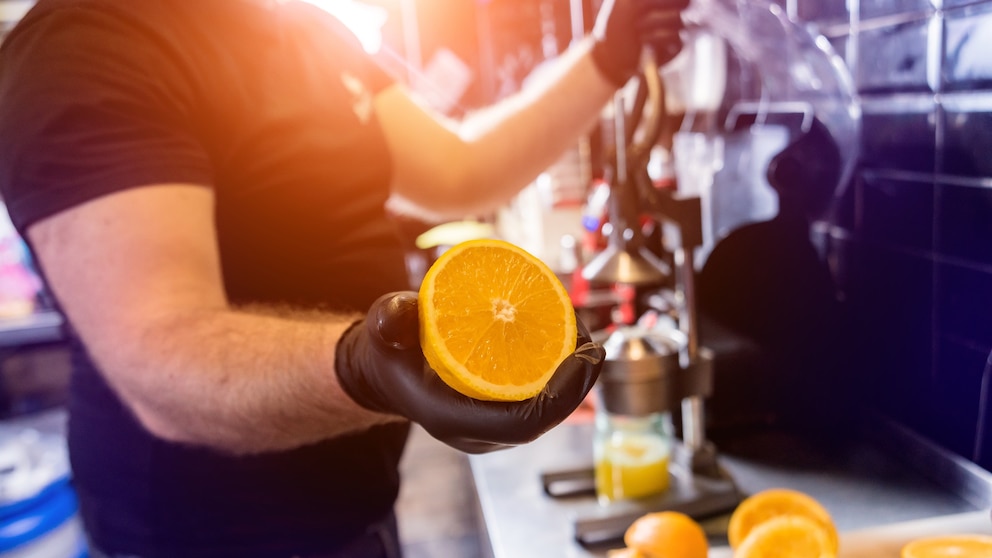
Orange juice is a breakfast staple in many American households, but a new proposal to lower the minimum sugar content outlined in current federal guidance could bring a change to the popular beverage.
The U.S. Food and Drug Administration announced Tuesday that it had proposed a rule to amend "the over 60-year-old Standard of Identity for pasteurized orange juice" and lower the minimum standard sugar content by 0.5.
The agency claimed the proposal would "promote honesty and fair dealing for consumers" and "provide flexibility to the food industry."
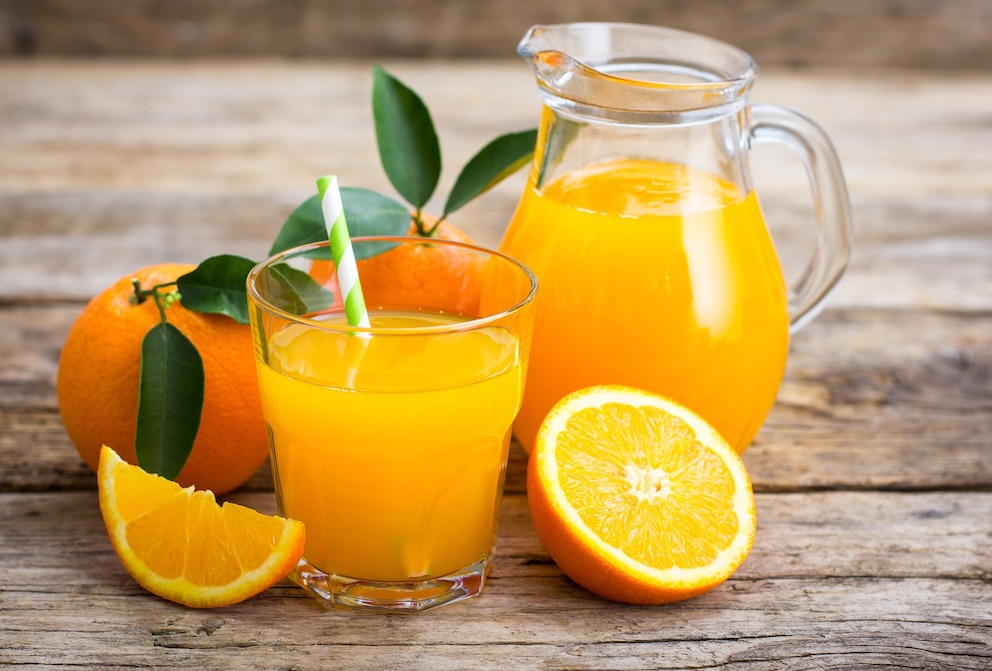
The proposed amendment would specifically seek to reduce the minimum Brix requirement -- "a measurement that indicates the sugar content of a liquid," according to the FDA -- from 10.5 to 10. The announcement comes in the wake of a petition submitted by the Florida Citrus Processors Association and Florida Citrus Mutual in 2022, the agency added.
That petition, filed in July 2022, stated that since 2005, orange trees in the Sunshine State had been increasingly infected by something called citrus greening disease, or huanglongbing, a bacterial infection of citrus plants that "degrades" the fruit and eventually kills the tree itself, according to the Agricultural Research Service, a research agency within the U.S. Department of Agriculture.


According to the industry petition, the spread of citrus greening disease, combined with "substantial severe weather," had damaged the state's orange groves, resulting in lower crop production and affecting "normal fruit sugar content."
"The FDA's pasteurized orange juice standard of identity, when originally promulgated in 1963, was carefully constructed to reflect the qualities of U.S. oranges," the petition stated. "It should now be updated to align with the properties of the modern U.S. crop. Without these changes, manufacturers of finished pasteurized orange juice products must increasingly rely on higher Brix imported juice to meet or exceed the U.S. minimum Brix for pasteurized orange juice."
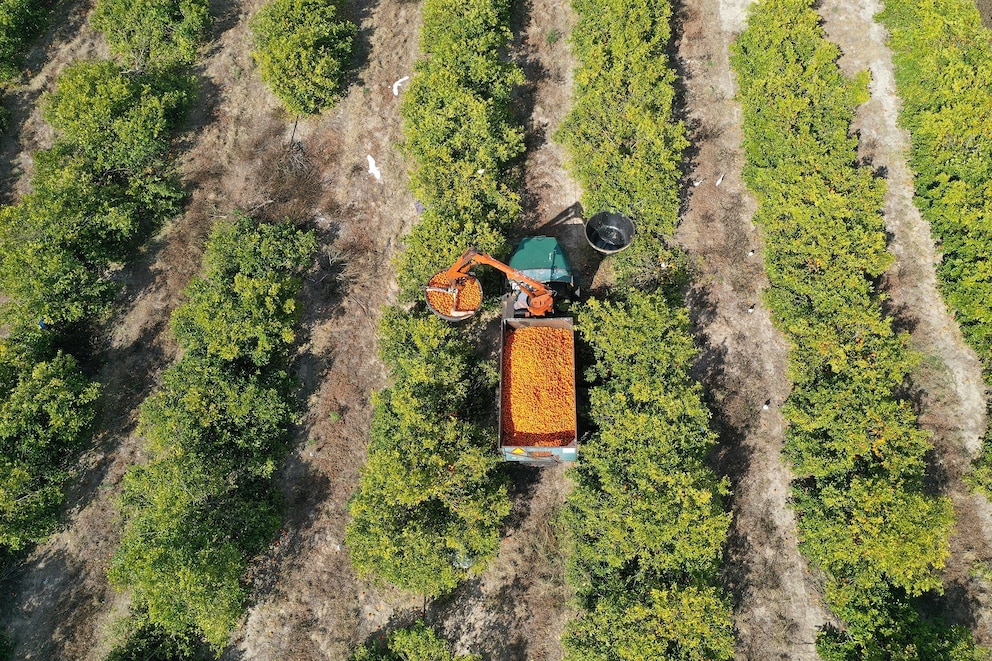
In its announcement Wednesday, the FDA reiterated those points, noting that "the Brix level for Florida oranges" had been "steadily declining over the past few decades" due to the factors outlined in the 2022 petition.
"Proposing to update the SOI for pasteurized orange juice reflects the FDA's efforts to strategically update and modernize food standards by better aligning this standard with current agricultural norms and providing greater production flexibility, while maintaining the basic nature and essential characteristics of the product," the agency stated.
While the lower sugar content standard may have some concerned about the sweetness of their orange juice, the agency noted that the less than 1% difference is "unlikely to affect the taste of orange juice and will have minimum impact on the nutrients found in orange juice."
For those looking for a healthier swap for their morning OJ fix, the USDA states that "at least half" of a person's daily recommended amount of fruit should come from nutrient-dense whole fruit, rather than 100% fruit juice, as whole fruit is higher in fiber.
As ABC News medical correspondent Dr. Darien Sutton told "Good Morning America" previously, whole fruits "break down more slowly in the body," which "leads to less spikes in your blood glucose, that leads to less spikes in your insulin."